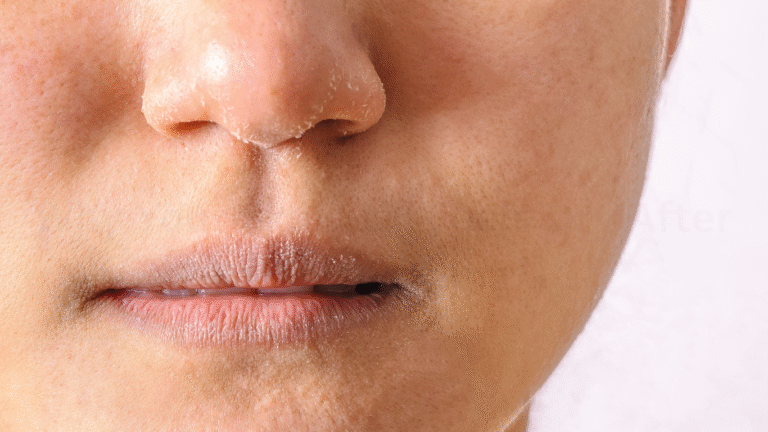
Winter can be brutal on your skin especially if you live in a dry or cold climate. One day your skin feels tight, the next it’s flaky, irritated or somehow both oily and dry. If you’ve tried layering moisturizer after moisturizer with no results, you’re not alone. Extreme dryness isn’t about using more products, it’s about using the right ones in the right order.
In this guide, you’ll learn a winter skincare routine specifically designed for extremely dry skin in dry climates. We’ll walk through each step, explain why it works and recommend proven products from our store and Amazon that help repair your skin barrier, lock in moisture and keep your skin calm, soft and glowing all season long.
Why Winter and Dry Climates Destroy Your Skin Barrier
Cold air holds less moisture, which means winter air actively pulls hydration from your skin. Meanwhile, indoor heating strips humidity even further, leaving your skin barrier compromised. As a result, water escapes faster than your skin can replace it.
When your barrier is weakened, even the best moisturizer won’t work properly. That’s why so many people wonder why their skin still feels dry after moisturizing. (We break this down in detail in the blog post entitled Why Your Skin Still Feels Dry After Moisturizing (Even When You Think You’re Doing Everything Right))
To fix extreme winter dryness, you must cleanse gently, hydrate deeply, seal moisture effectively, and protect consistently.
Step 1: Switch to a Barrier-Friendly Cleanser (Morning & Night)
Many winter skincare routines fail at the first step. Foaming or stripping cleansers remove your skin’s natural oils, leaving it vulnerable before hydration even begins.
Instead, choose a hydrating, non-foaming cleanser that cleans without disrupting your barrier.
What to look for:
- Glycerin.
- Niacinamide.
- Gentle surfactants.
- oil based or cream textures.
Product picks:
- Revuele Hydrating Cleansing Oil for dry skin – melts away dirt while preserving moisture.
- Beauty Bliss Facial Cleanser(ceramides + hyaluronic acid) – calming and non drying.
- CeraVe Hydrating Facial Cleanser – dermatologist trusted and barrier-safe.
Tip: In the morning, simply rinse with lukewarm water if your skin feels extra dry. Explore more cleansers here.
Step 2: Rehydrate Immediately with a Moisture Binding Toner
After cleansing, your skin is most receptive to hydration. This is where toners make a huge difference, especially in winter.
A hydrating toner helps pull water into the skin while calming irritation caused by cold weather.
Best Ingredients for dry climates:
- Niacinamide.
- Snail mucin.
- Ginseng.
- Hyaluronic acid.
Product pick:
- Ginseng & Snail Mucin Glow Toner – deeply hydrates, improves elasticity and strengthens the barrier
Apply with hands, not cotton pads to avoid unnecessary absorption.
Explore a variety of toners here to choose what will best fit your preference.
Step 3: Layer a Hydrating + Repairing Serum
Serums deliver concentrated hydration and repair actives that your moisturizer alone cannot provide.
In winter, look for humectants + barrier repair ingredients rather than exfoliating acids.
Ideal ingredients:
- Hyaluronic Acid.
- Peptides.
- Niacinamide.
Product picks:
- Ginseng & Snail Mucin Glow Serum – boosts glow while restoring moisture.
- Multi-Peptide + Hyaluronic Acid Serum – plumps and smooths dehydrated skin.
- The Ordinary Hyaluronic Acid 2% + B5 from amazon.
Apply on damp skin to lock in maximum hydration.
Step 4: Seal Everything In with the Right Moisturizer
This is where many routines fall apart. In winter, lightweight lotions are often not enough especially in dry climates. Your moisturizer should seal hydration, not just sit on the surface. If you’re unsure which texture suits you best, check out The Best Moisturizers and Hydration Boosters for Every Skin Type for a full breakdown.
Product picks:
- Coconut Rose Lotion (Hyaluronic Acid, Vitamin E, Shea & Cocoa Butter) – rich yet fast absorbing.
- Honey & Shea hydrating body lotion made in Italy – perfect for daily winter hydration.
- La Roche-Posay Toleriane Double Repair Moisturizer – available on amazon.
Step 5: Add a Protective Body Oil (Yes—Even for Your Face)
In extremely dry climates, moisturizer alone isn’t enough. Oils act as occlusives, sealing hydration into the skin and preventing moisture loss. Apply oil after moisturizer to lock everything in.
Product picks:
- Nature Love Body Oil (Coconut Oil + Vitamin E) – nourishes without greasiness.
- Calming Lavender Oil (Coconut Oil + Niacinamide) – Ideal for nighttime repair.
- Bio-Oil Skincare Oil (great for face + body).
Step 6: Weekly Repair with Hydrating Masks & Gentle Scrubs
Exfoliation should be minimal in winter, but gentle maintenance helps hydration penetrate better.
Weekly routine:
- 1x gentle scrub.
- 1–2x hydrating mask.
Product picks:
- La Soie Gentle Scrub (Oat Milk) – removes flakes without irritation.
- Cucumber & Aloe Mask – calms redness and restores moisture.
The Winter Skincare Routine That Keeps Dry Skin Comfortable All Season
Extreme winter dryness isn’t a personal failure, it’s a signal that your skin needs hydration, protection, and consistency. When you focus on repairing the barrier instead of overloading products, your skin becomes softer, calmer and far more resilient. This routine works because it layers hydration correctly, seals moisture effectively and protects your skin from harsh winter conditions without overwhelming it.
Frequently Asked Questions (FAQ)
Why does my skin feel dry even after moisturizing in winter?
Because moisture is escaping through a damaged skin barrier. You need hydrating layers and an occlusive to seal them in.
Should I use face oil if I have acne prone skin?
Yes—when used correctly. Lightweight oils applied after moisturizer help prevent dehydration without clogging pores.
How often should I exfoliate in winter?
Once a week at most. Over-exfoliating worsens dryness and sensitivity.
Is hyaluronic acid enough in dry climates?
Not alone. It must be paired with moisturizers and oils to prevent water loss.
Can I use the same routine for my body?
Absolutely. Your body skin suffers even more in winter, hydration is essential head-to-toe.
This post may contain affiliate links, which means that we may earn a small commission at no extra cost to you if you purchase through one of the links.